Unscented first
Removing fragrance from the setup makes it easier to judge whether the kitten is comfortable with the litter itself instead of reacting to perfume layered on top of it.
Compare cat litter for kittens in Canada by prioritizing unscented formulas, low dust, easy box access, and comfortable texture before you buy.
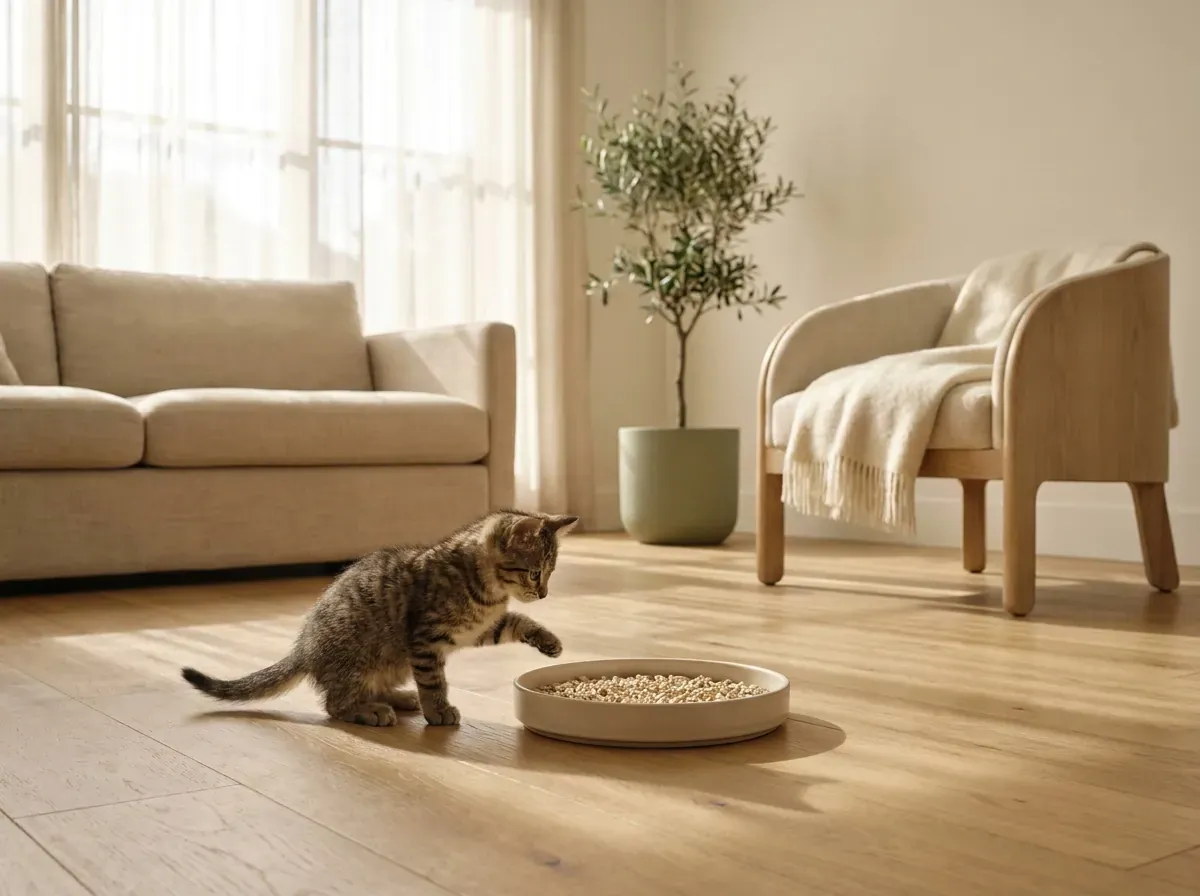
For kittens, the strongest starting filter is simple: unscented, low dust, easy to enter, and comfortable enough to use consistently.
Cornell guidance specifically notes that small kittens need low-sided boxes, which makes access part of the litter decision.
Fragrance and dust can add unnecessary friction while litter-box habits are still forming.
The best kitten setup is usually the one that feels easy, predictable, and clean rather than the one with the boldest marketing claims.
When people search for the best cat litter for kittens, they are usually trying to solve two problems at once: make the box comfortable enough to use and avoid creating friction while good litter-box habits are still forming.
Cornell’s litter-box guidance is especially useful here because it highlights the practical basics kittens need most: low-sided access, unscented litter, and a setup that feels clean and easy rather than complicated. Cornell source
That is why the strongest kitten answer is usually not a flashy product claim. It is a calm setup built around low dust, low fragrance, and a texture the kitten keeps using without hesitation.
Removing fragrance from the setup makes it easier to judge whether the kitten is comfortable with the litter itself instead of reacting to perfume layered on top of it.
Dust is worth minimizing from the beginning because clean pouring and scooping create a calmer setup for both the kitten and the people cleaning the box.
Cornell’s quick tips specifically note that small kittens need low-sided boxes. If the box is awkward to enter, the litter choice alone cannot fix that.
Early success often comes from keeping the feel of the litter straightforward and predictable instead of chasing every premium feature at once. If softer paper formulas are on the shortlist, compare those tradeoffs in the paper-litter guide.
Merck’s litter-box guidance is a useful reminder that access matters. A good litter still works best when the box location is easy to reach and easy to use. Merck source
If you need to adjust litter, box type, or location, keep the other parts stable so you can see what the kitten is actually responding to.
If the kitten starts with one litter and you want to move to another, use a gradual switching processrather than making the whole setup unfamiliar all at once.
The strongest starting profile is usually unscented, low dust, easy to enter, and comfortable under paw. For kittens, the setup has to feel physically easy as well as clean.
Yes, that is a smart baseline. Cornell notes that small kittens need boxes with low sides so access stays easy while litter-box habits are still forming.
Usually yes. Simpler litter decisions make it easier to see whether the kitten is comfortable, using the box consistently, and reacting to dust, fragrance, or texture.
Written and reviewed by the Premium Cat Litter editorial team, and checked against the sources cited above. Read how we research and correct our work in oureditorial policy.
After you choose a simple kitten-friendly setup, compare the long-term fit against dust, odor control, and household routine before you scale up.